

Syed Abbas Ali (Abby)
Full Stack Developer · Delhi, India
A structured pre-hiring audit protects your budget, timeline, and code ownership.
Hiring a web developer is a consequential commercial decision. When executed properly, a custom website becomes a high-speed lead generation asset that pays for itself within months. When handled poorly, it turns into an expensive ordeal of blown deadlines, unresponsive developers, and broken mobile layouts.
Most project failures happen not during the coding phase, but before the contract is even signed—because critical assumptions about code ownership, performance standards, revision limits, and handover deliverables were never documented.
Here is an actionable, comprehensive checklist you can use to audit any web developer or development studio before transferring a milestone deposit or signing an agreement.
1. Portfolio Authenticity & Live URL Verification
Never evaluate a developer solely on static Figma frames, Behance mockups, or video screen recordings. Anyone can create an attractive static layout that falls apart in real-world production.
• Demand 2–3 live URLs of real client websites built by the developer.
• Test each website on both a desktop computer and a real mobile smartphone over a standard 4G network.
• Ask specifically what role the developer performed on each project: did they write the full frontend and backend code, or did they simply configure an off-the-shelf template?
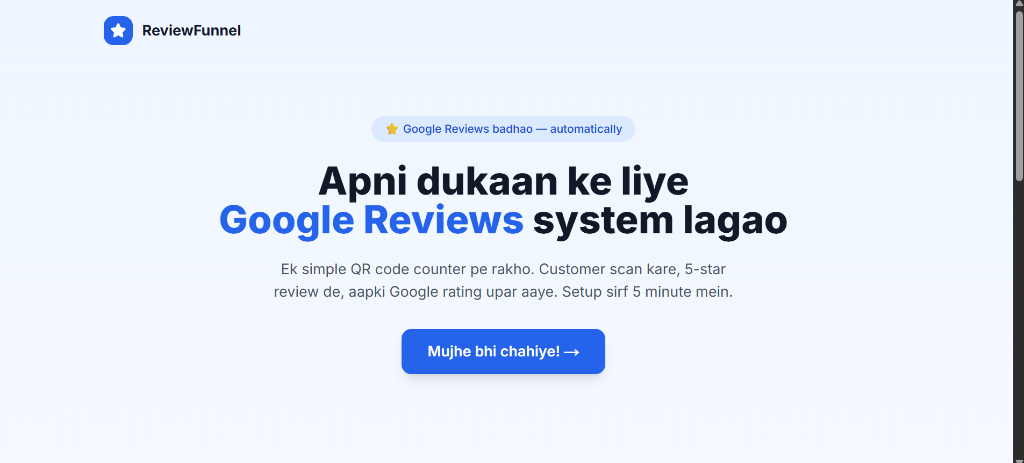
Review proven case studies like the Review Funnel reputation platform and ALP BuildCon to see what transparent technical documentation looks like.
2. Technical Performance & Mobile Standards
Page load speed directly determines whether visitors stay on your site or bounce to a competitor. Set clear technical benchmarks before development begins:
• Google Lighthouse Score: Ensure your agreement specifies a target mobile Performance score of 90+ on Google PageSpeed Insights.
• Next-Gen Image Formats: Confirm that all imagery will be automatically served in WebP or AVIF formats with responsive dimensions.
• Touch Optimization: Verify that buttons, forms, and navigation menus are designed for thumbs (minimum 44×44px touch targets) with zero horizontal scrolling on mobile viewports.
Learn more about modern performance standards in our guide to performance optimization.
3. Technical SEO & Schema Fundamentals
A website that search engines cannot crawl properly will fail to generate organic business. Verify that the developer includes essential technical SEO foundations:
• Semantic HTML5 Hierarchy: Strict use of a single H1 per page, logically nested H2/H3 subheadings, and descriptive image alt attributes.
• Structured JSON-LD Schema: Native implementation of `Organization`, `LocalBusiness`, `ProfessionalService`, and `BreadcrumbList` schemas to qualify for rich search snippets.
• Canonical URL Architecture: Strict canonical configuration to prevent duplicate content penalties across staging and production domains.
Explore how we build search-optimized architectures in our technical SEO services overview.
4. Domain, Hosting, and Source Code Ownership
This is the single most critical legal and operational checkpoint in your agreement:
• Domain Control: The domain name must be registered under YOUR corporate account (e.g. Cloudflare or Namecheap) using your business email. Never permit a developer to register your domain in their personal name.
• Hosting Accounts: Hosting should either be deployed to your own cloud account (e.g. Vercel, AWS, Cloudflare) or transferred cleanly upon launch.
• Git Repository & Source Code: The contract must explicitly state that 100% of the source code, Git repository history, and custom design assets belong entirely to your business upon final payment.
"Never let a vendor hold your digital assets hostage. Your domain, your code repository, and your hosting credentials must remain 100% under your ownership."
— Standard CodeWithAbby Client Guarantee
5. Contact Forms, Lead Routing, and Security
A broken contact form is a silent business killer. Ensure your developer implements reliable lead capture workflows:
• Multi-Channel Lead Alerts: Submissions should be routed directly to your primary email with optional instant WhatsApp notifications.
• Form Spam Protection: Clean bot protection (Cloudflare Turnstile or invisible honeypot) without annoying CAPTCHA puzzles that frustrate real human visitors.
• SSL & Security Headers: Automated HTTPS encryption, modern security headers (HSTS, Content Security Policy), and sanitized form inputs to protect against vulnerabilities.
6. Contractual Scope, Milestones, and Revision Limits
Misunderstandings regarding scope are the leading cause of project disputes. Protect both parties with a written Service Level Agreement:
• Detailed Scope of Work (SOW): An itemized list of every page, modal, form, and third-party integration included in the project.
• Revision Rounds: Clearly defined review milestones (e.g. 2 structured revision rounds during staging) so expectations are aligned.
• Milestone Payment Structure: A balanced payment schedule—such as 25% to 50% deposit upon contract execution, active review on staging, and final settlement upon QA approval and code handover. As detailed in our custom website cost guide, never pay 100% upfront.
7. Post-Launch Warranty & Handover Deliverables
A professional engagement does not end the second the domain goes live. Verify what handover support is included:
• Bug-Fix Warranty: A 14 to 30-day warranty period during which any technical bugs or display errors are resolved at zero extra charge.
• Handover Documentation: A clear handover guide or video walkthrough showing your team how to update copy, publish articles, and manage leads.
• Clean Repository Access: An organized GitHub/GitLab repository with documentation on how to build and deploy the application.
8. The Actionable Pre-Hiring Master Checklist
Use this printable checklist during your final evaluation before signing or paying a deposit:
✓ [ ] Tested 2+ live portfolio websites on a real mobile smartphone over 4G.
✓ [ ] Verified mobile PageSpeed / Lighthouse performance score is 90+.
✓ [ ] Confirmed the specific engineer who will write your codebase.
✓ [ ] Secured domain registration directly in your company's own account.
✓ [ ] Written guarantee of 100% Git repository and code ownership upon completion.
✓ [ ] Itemized Scope of Work (SOW) listing all pages and functional features.
✓ [ ] Tested contact form routing, spam protection, and WhatsApp triggers.
✓ [ ] Structured JSON-LD SEO schema and canonical hierarchy included.
✓ [ ] Milestone payment schedule locked (e.g. 25% deposit, remainder on QA approval).
✓ [ ] 14–30 day post-launch bug warranty confirmed in writing.
Final thought
By verifying every item on this checklist before kicking off your project, you eliminate 99% of common web development risks and ensure your new website is delivered on time, within budget, and built to drive commercial growth. If you are looking for a transparent, agreement-first development studio with guaranteed code ownership, explore our custom web development services or reach out to Syed Abbas Ali directly.
Syed Abbas Ali(Abby)
Full Stack Developer & Web Architect based in Delhi, India. 3+ years building websites and web applications for founders, startups, and growing businesses. I handle everything: design, frontend, backend, and deployment.
READY TO BUILD SOMETHING?
Full stack engineering, clean code, 6–7 day delivery. Let's talk.